...
Skip links

Alkalinity Explained: How pH Shapes Health and Disease

Beyond the Buzz: What is Alkalinity?

Modern wellness is currently obsessed with alkalinity—alkaline water filters, celebrity-endorsed mineral kits, trendy pH drops, you name it. But while the marketing booms, the real message is getting lost. Alkalinity isn’t a buzzword—it’s the foundation of cellular regeneration, natural energy and lasting immunity.

If you’ve been feeling bloated, brain-fogged, chronically fatigued, or emotionally off, it’s not a coincidence- it’s chemistry. And alkalinity may be your missing link. In this piece, we tune out the noise and dive into the truth: the raw science, spiritual undercurrent and healing potential of alkalinity.

The Duality Principle

At the heart of chemistry is the atom—the universe’s building block. It is a nucleus of positively charged protons orbited by negatively charged electrons, spinning a magnetic web of attraction and repulsion.¹ This dance of polarities mirrors the life forces within you.

Life thrives on opposites: positive and negative, acid and alkaline. These forces generate electromagnetic energy, which drives everything from cellular function to the ebb and flow of your emotions.

Life is controlled by two opposite forces—without which there would be no differentiation, growth or awareness.

Acid vs Alkaline

Acids release positively charged hydrogen ions in reactions, binding and saturating, leading to tissue bonding seen in bones and stones. Alkalies (bases), in contrast, attract those protons and neutralize acids, dispersing and breaking down harmful accumulations.²

Consider calcium. Plant-based calcium is alkaline, helping balance bodily fluids along with magnesium, potassium, and sodium—our essential electrolytes. But calcium can become ionized in the bloodstream, joining with substances like phosphorus to rebuild bones (a positive, anabolic effect) or with free radicals to form damaging calcium oxalate stones (a destructive, acidic effect).³

This delicate interplay highlights how the pH of what you consume can either promote health or destroy it.

The pH Scale

The pH scale, short for potential hydrogen, measures the concentration of hydrogen ions in a solution, reflecting its acidity vs alkalinity on a spectrum from 0-14; 0 being intensely acidic, 14 intensely alkaline, and 7 neutral. Our blood maintains an ideal narrow alkaline range of 7.35 to 7.45, a critical buffer zone where the body remains in equilibrium.⁴

Too much acid, and your tissues inflame and corrode. Too much alkalinity, and your tissues constrict and weaken. But the modern diet, filled with processed foods, animal proteins and sugars tends to push us toward acidity.

When acid dominates, creating an imbalance called acidosis, the body becomes a battleground of inflammation, joint pain, poor nutrient absorption and toxic mucus build-up. This acidic environment causes fats, minerals and proteins to coagulate, forming stones and cellular blockages. Acidosis triggers blood cell adhesion, increases stroke risk, and starves cells of nutrients- a slow suffocation masked as chronic illness.⁵

Why Alkaline Foods?

Think of your body like a battery- literally. Alkaline batteries that power your remote, flashlight or basic gadgets work because of their stable, high-energy alkaline environment. It’s the same with your cells.

An alkaline state in the body allows electrical impulses to fire more effectively, nutrients to move efficiently and cellular energy (ATP) to be produced optimally.⁶

An alkaline battery stores and delivers energy with precision. In the same way, when our cells are nourished with alkaline foods, they store and circulate vital life force energy. Our body is electrical and alkalinity powers it up.

Raw fruits and vegetables stand out as nature’s alkaline champions, rich in electrolytes and antioxidants that help your body neutralise acids and regenerate tissues.⁷ Highly electrical foods also tend to be living, alkaline plants which restore the body’s natural bioelectric balance.⁸

The body’s detoxification pathways consisting of the kidneys, liver and lymphatics especially also require alkalinity to function optimally. Without it, toxic acids accumulate, leading to inflammation, mucus congestion and disease.

Fruits are the cleaners and Herbs are the healers

Oxidation & Ionization:
Alchemy Within

On a microscopic level, the processes of oxidation and ionization govern life’s renewal.

• Oxidation: Elements combine with oxygen, sometimes producing free radicals—dangerous rogue molecules that damage DNA and accelerate aging, especially in acidic conditions.⁹

• Ionization: The splitting of elements into charged ions—cations (positively charged, like calcium and potassium) and anions (negatively charged, like chloride and phosphate)—which act as catalysts in the body's chemistry.¹⁰

In an alkaline state, the body curbs harmful oxidation, steadies ion exchange and provides the ideal environment for minerals to do their work.

Dr. Sebi: The Alkaline Healer

No conversation on alkalinity is complete without mentioning Alfredo Darrington Bowman, better known as Dr Sebi.

He was a Honduran herbalist who shook the medical world with his observation that all disease begins with mucus and can be reversed through an alkaline, plant-based diet. He wasn’t a theorist; he was a researcher, teacher and healer who helped thousands of people overcome chronic illnesses; from diabetes to cancer to AIDS.

In the 1980s, Dr. Sebi's bold claims led to a legal battle in New York, where he was charged with practicing medicine without a license. When asked to prove his work, he brought over 70 witnesses- patients who testified under oath that his methods had restored their health. The court dismissed the case - a ground-breaking moment that made history. ¹¹

Dr. Sebi’s influence reached far beyond just the herbalist community. He worked with celebrities such as Michael Jackson, Lisa “Left Eye” Lopes, and John Travolta, who sought him out for his holistic self-healing methods. Electric foods- living, alkaline-rich plants such as berries, amaranth, sea moss and burdock were the cornerstone of his work, showing that true healing comes not from pharmaceuticals, but from restoring the body’s natural bioelectric alkaline balance.

Practical Steps to Alkalize Your Body

1. Aim for an 80/20 diet: 80% raw electrical fruits and vegetables, 20% nuts, seeds, and cooked veggies
2. Avoid mucus-forming foods: dairy, processed meats, refined sugars.
3. Test your body’s pH regularly: use litmus strips to track saliva or urine pH
4. Stay hydrated with mineral-rich alkaline water: Choose clean, spring-sourced water whenever possible
5. Harness the power of herbs: Burdock, dandelion, nettle, and elderberry support detox pathways and can be found here.

Alkalinity Isn’t Optional, It’s Essential

Maintaining an alkaline balance in the body isn’t just a health fad—it’s how the body actually stays in harmony and repair mode. When the body becomes too acidic, it signals distress and increases the risk of disease.

Feeding your body with raw fruits, veggies and herbal goodness isn’t just about eating clean, it’s about giving your cells the fuel they need to stay balanced and regenerate. Prioritising alkaline foods for your body means dialling down on inflammation, opening up detox pathways and letting your cells breathe again.

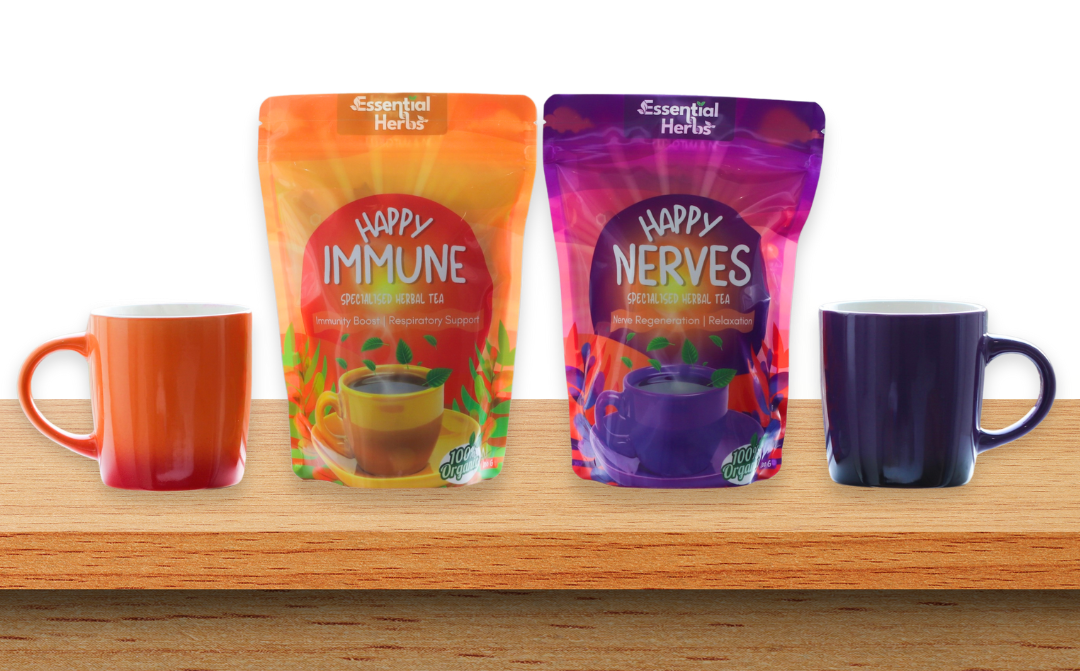
At Essential Herbs, we offer only 100% alkaline herbs, so whether you’re new to this path or looking for a different way to support your alkaline lifestyle, we’ve made it simple for you.

Your body already knows what it needs to survive and thrive. Are you ready to listen?

1. Alberts, B. et al. Molecular Biology of the Cell (6th ed.). Garland Science, 2014.

2. Hall, J.E. Guyton and Hall Textbook of Medical Physiology (13th ed.). Elsevier, 2016.

3. Robert Morse. The Detox Miracle Sourcebook. Kalindi Press, 2004.

4. Curhan, G.C., Willett, W.C., Rimm, E.B., & Stampfer, M.J. “Epidemiology of Kidney Stones.” Journal of the American Society of Nephrology. 1997; 8(10):1568–1573.

5. Kraut, J.A. & Madias, N.E. “Metabolic Acidosis: Pathophysiology, Diagnosis and Management.” Nature Reviews Nephrology. 2010; 6:274–285.

6. Nicholls, D.G. & Ferguson, S.J. Bioenergetics 4. Academic Press, 2013.

7. Robert Morse. The Detox Miracle Sourcebook. Kalindi Press, 2004.

8. Dr. Sebi. Dr. Sebi’s Cell Food Philosophy. Usha Research Institute Archives, 1980s. (Archival, no direct link; see official Dr. Sebi site).

9. Valko, M. et al. “Free radicals and antioxidants in normal physiological functions and human disease.” International Journal of Biochemistry & Cell Biology. 2007; 39(1):44–84.

10. Halliwell, B. “The antioxidant paradox: less paradoxical now?” British Journal of Clinical Pharmacology. 2013; 75(3):637–644.

11. Gadsden Times. “Healer, Dr. Sebi, Beat NY Court Case on Medical Claims.” July 1988. (Archived article, see news archive).

This article is for educational purposes only and does not provide medical advice. Always consult a qualified healthcare professional before making changes to your diet, lifestyle, or health regimen.

Share This Article 
Leave a comment

September Sale

Back To Reality But Better

25% OFF

Trending

Thanks for Reading

Home
Account
0
Cart
Search